
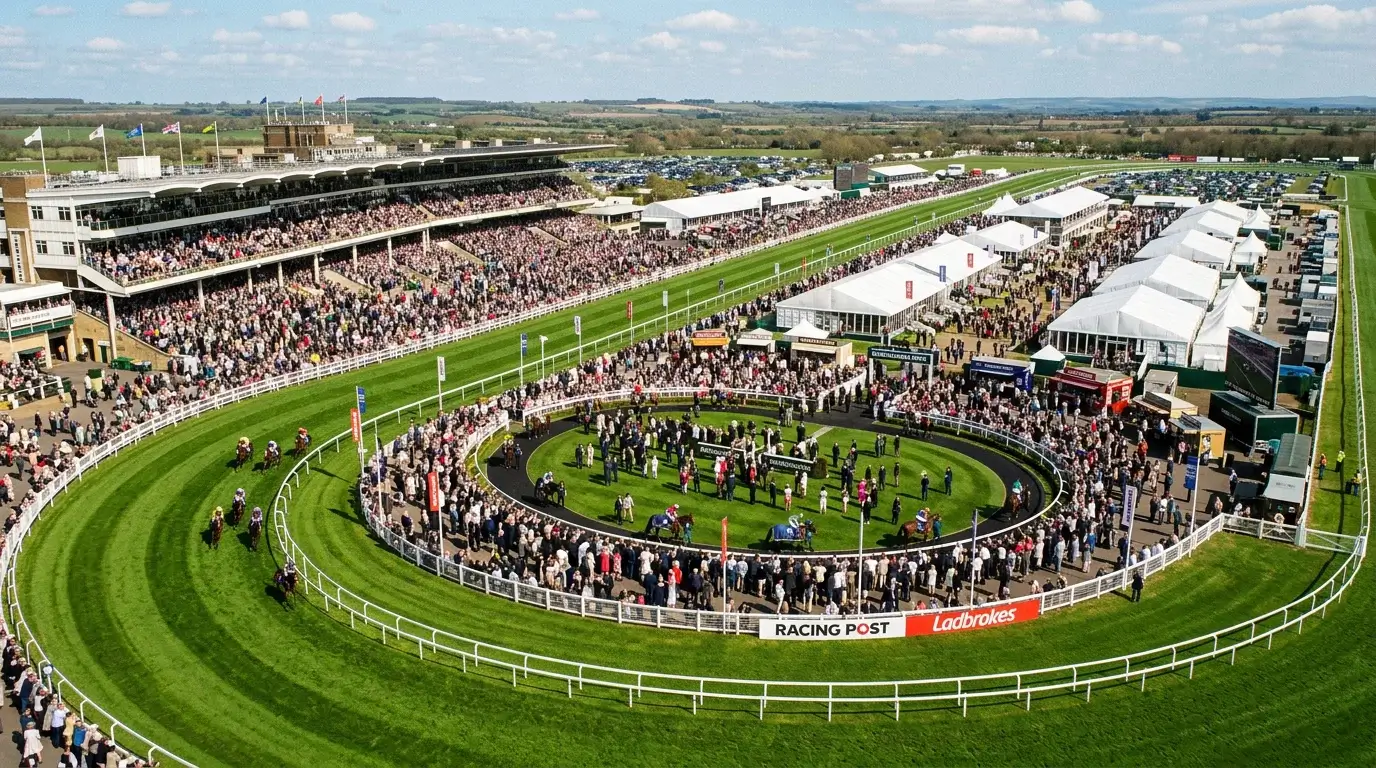
British horse racing, a sport cherished for its rich history and cultural significance, is currently facing significant challenges. The recent suspensions of various races have left enthusiasts, owners, breeders, and bettors in a state of uncertainty and concern. This article delves into the reasons behind these suspensions, the implications for the industry, and the future of horse racing in the UK. In the wake of these developments, organizations like British horse racing not on GamStop https://merseysidepolicemounted.uk/ remind us of the integral role of mounted police and equestrian-related activities in maintaining public safety and managing events.
The Historical Significance of Horse Racing in Britain
Horse racing in Britain dates back centuries, with its origins intertwined with the aristocratic culture of the nation. Initially a sport for the elite, it gradually evolved into a widely popular activity that drew spectators from all walks of life. Not only has horse racing served as a source of entertainment, but it has also been a vital aspect of the British economy, providing jobs and stimulating local businesses.
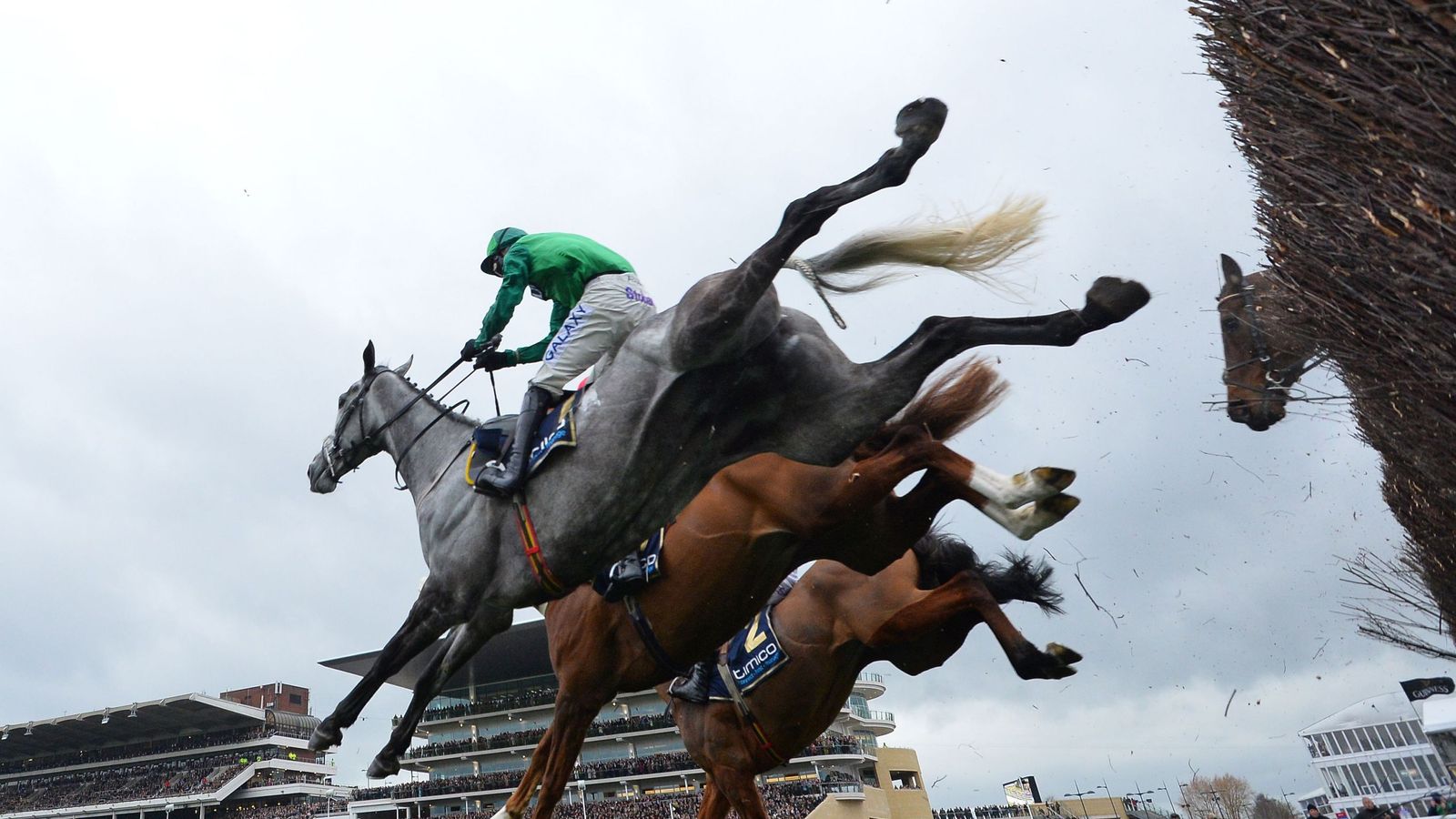
Iconic events such as the Grand National and Royal Ascot are not just races; they are cultural landmarks that celebrate tradition while attracting significant media attention. These events have become synonymous with British identity and pride. However, the recent suspension of races has raised questions about the future of these cherished traditions.
Reasons Behind the Suspensions
The suspensions of British horse racing can be attributed to a combination of factors, including regulatory concerns, public safety issues, and economic strains exacerbated by the COVID-19 pandemic. Regulatory bodies like the British Horseracing Authority (BHA) have implemented strict measures to ensure the sport’s integrity. However, these measures often lead to postponements and cancellations.
Additionally, the pandemic created a ripple effect that extended beyond immediate health concerns. With restrictions on spectators, many racecourses faced significant financial losses, leading to difficult decisions about which events could proceed. The return of spectators has been gradual, and uncertainties about the virus continue to affect the scheduling and execution of races.
The Economic Impact
The economic ramifications of suspending horse racing are profound. The industry contributes billions of pounds to the UK economy and supports thousands of jobs across various sectors, including training, breeding, betting, and hospitality. Racecourses and related businesses, such as hotels, restaurants, and local vendors, heavily depend on the influx of visitors that races attract.
The news of race suspensions has dealt a blow to the local economies that thrive on race day festivities. Owners and trainers face the risk of financial instability, while jockeys and stable staff may experience uncertainty regarding their livelihoods. As the industry grapples with these challenges, restoring public confidence and securing the future of horse racing has become increasingly important.
The Social and Cultural Consequences
British horse racing is not merely a sport; it is woven into the social fabric of the country. Sporting events serve as communal gathering points, where enthusiasts come together to share in the excitement and passion for the races. The culture surrounding horse racing encompasses more than just the financial aspects; it includes fashion, camaraderie, and a shared love for equine athletes.
With the current suspensions, the social landscape has changed. Local communities that rally around races face a void, and social networks built around the sport are affected. Celebrations of victory and the thrill of competition have been put on hold, leading to a sense of loss among fans. The future of these traditions hangs in the balance, prompting discussions about how to revitalize and protect this significant cultural heritage.
The Future of British Horse Racing
While the recent suspensions present challenges, they also offer an opportunity for reflection and renewal within the industry. Stakeholders are recognizing the need for enhanced safety measures, improved regulations, and a more sustainable business model. Learning from this experience could lead to innovations that strengthen the sport’s integrity and ensure its long-term viability.
Initiatives to engage younger audiences and adapt to changing cultural norms are also becoming paramount. By embracing technology, such as virtual racing experiences and interactive gaming, the sport can attract a new generation of fans. The industry must evolve while respecting its rich heritage to remain relevant in a rapidly changing world.
A Call to Action
As the future of British horse racing remains uncertain, community support and advocacy are crucial. Stakeholders, fans, and local governments must collaborate to addres
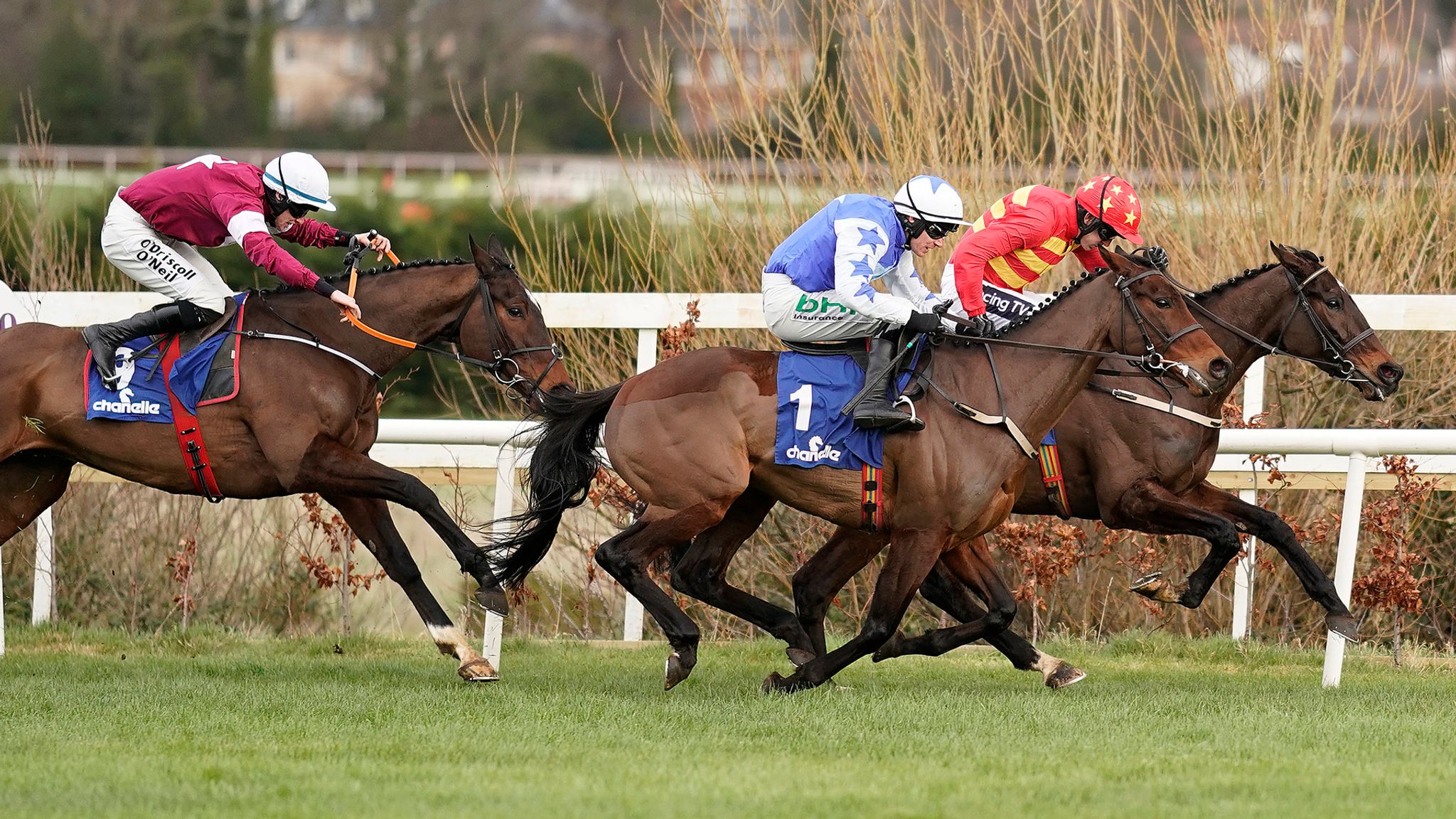
s the challenges facing the industry. By promoting responsible racing and emphasizing the ethical treatment of horses, the community can work together to rebuild trust and restore this beloved sport.
In conclusion, while the suspensions of British horse racing have created a challenging landscape, they also present an opportunity for growth and revitalization. The sport’s rich history, combined with a commitment to safety, integrity, and community engagement, can foster an even brighter future for horse racing in Britain.